
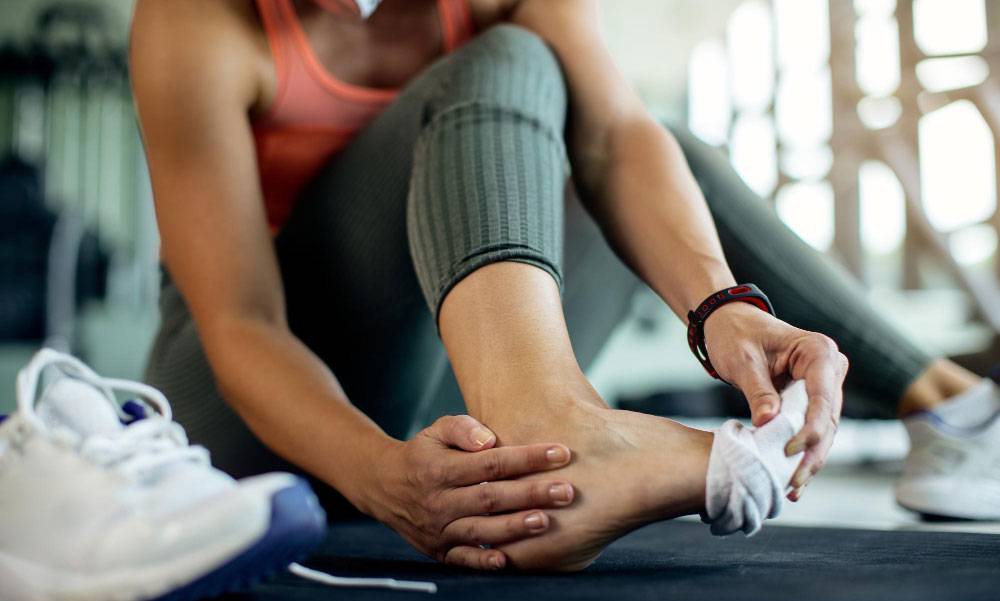
Achilles tendon rupture is one of the most serious orthopaedic injuries, particularly for those who practise sports or are subject to intense physical effort. This tendon, which connects the muscles of the back of the leg to the heel bone, is essential for movements such as walking, running and jumping. When an injury occurs, surgical repair may be necessary to restore function and prevent future complications.
When is surgery necessary?
The choice to opt for surgical repair depends on the severity of the tendon rupture. Achilles tendon injuries can be partial or complete. While partial ruptures may respond well to conservative treatments such as immobilisation or physiotherapy, complete ruptures usually require surgery. This is especially true for young, active or sporty patients for whom a full return of tendon function is crucial.
Surgery aims to reconnect the ends of the torn tendon, restoring the muscle's ability to transmit force to the foot and allowing the recovery of normal motor functions. The contextual use of autologous biological tissue grafts can be useful to reinforce the repair (e.g. transposition of the plantaris gracilis tendon).
Surgical techniques for Achilles tendon repair
There are several surgical techniques for treating Achilles tendon rupture. The choice of method depends on the characteristics of the injury and the patient. The two main surgical techniques are open and mini-invasive/percutaneous repair.
Both methods aim to minimise damage to the surrounding tissues, improve healing and accelerate recovery.
Post-operative recovery: what to expect?
Recovery after Achilles tendon repair surgery takes time and patience. Post-operative rehabilitation is fundamental to the success of the treatment and to a full return of function. After surgery, the patient will need to wear a brace to keep the foot in a resting position, avoiding load on the tendon. In the first days or weeks, immobilisation is necessary to allow skin healing while avoiding wound dehiscence and to optimise tendon healing.
Subsequently, physiotherapy begins, including exercises to improve mobility, strength and correct tendon function. Physiotherapy is also crucial to prevent the risk of re-injury and to restore normal gait. The return to sport, in particular, must take place gradually, under the supervision of a physician and a specialised physiotherapist.
Possible complications and prevention
As with any surgery, Achilles tendon repair carries some risks. The most common complications include infections, deep vein thrombosis (DVT), damage to nerves or blood vessels and the possibility of re-rupture. However, with correct post-operative management the risk of complications is reduced.
Prevention of Achilles tendon injuries relies on muscle strengthening, improved flexibility and correct sports practice. It is important to pay attention to any signs of fatigue or pain during physical activity and to take adequate breaks to avoid excessive strain on the tendon.
The role of surgery and rehabilitation in recovery
Surgical repair of the Achilles tendon is an effective solution for patients who suffer a complete rupture and want to return to normal physical activity. Although recovery may take time, with the right rehabilitation and under the guidance of a specialised medical team it is possible to achieve excellent results. It is essential that patients understand the importance of carefully following the post-operative indications and consistently dedicating themselves to physiotherapy in order to guarantee a safe return to their daily and sporting activities.