
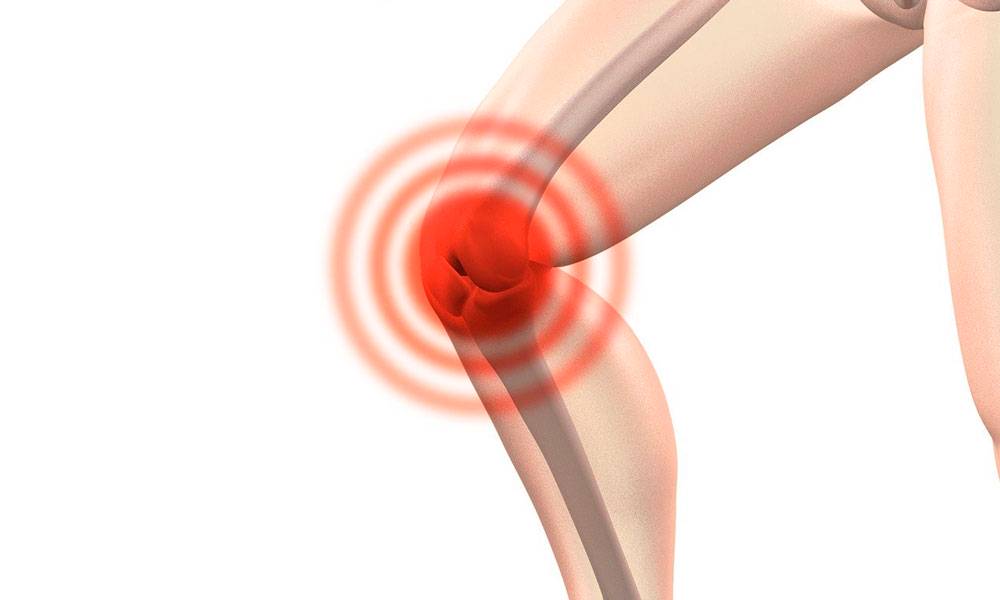
Knee replacement or knee prosthetic surgery is one of the most common orthopaedic procedures and can significantly improve the quality of life of patients affected by chronic pain and functional limitations. This operation is indicated mainly for people with advanced arthritis, which causes deterioration of cartilage and surrounding tissues.
What is knee replacement?
A knee prosthesis is a surgical procedure involving the removal of the damaged parts of the knee joint and their replacement with an artificial prosthesis. The prosthesis can be total, involving both the femur and the tibia and in some cases the patella, or partial, involving only one of the three compartments of the joint.
Diagnostic investigations: how is surgery decided?
Before considering surgery, the specialist performs a thorough evaluation based on the patient's clinical history, physical examination and imaging studies (X-rays and, in some cases, MRI) to assess the degree of joint impairment. Patients often report symptoms such as persistent pain, stiffness and difficulty in the simplest movements, which can significantly impact daily activities.
The surgical process: what to expect
The operation is usually performed under spinal or epidural anaesthesia. The duration varies but generally lasts about one hour. During the procedure the surgeon removes the worn joint surfaces and replaces them with artificial metal and plastic components, designed to mimic the natural movement of the knee.
Post-operative recovery: fundamental steps
Recovery after knee replacement takes time and commitment. Patients usually spend 2-3 days in hospital to monitor their overall clinical condition and start intensive physiotherapy. The modern multidisciplinary fast-track approach has greatly improved post-operative pain management. Together with an adequate physiotherapy programme it has reduced patient discomfort while shortening the hospital stay. Some pain during recovery is normal, but pain management is an integral part of the process.
Complications and risks: what to consider
Like any surgery, knee replacement carries risks. The most common complications include infections, deep vein thrombosis and joint stiffness. It is essential to follow the physician's instructions to minimise these risks and ensure optimal recovery.
Results and expectations: the new life after surgery
Many patients report a significant improvement in quality of life after surgery. Most can resume daily activities, practise light sports and enjoy improved movement. Realistic expectations are important: while pain may decrease, full knee function may require time and work.
Knee replacement as an effective solution
Knee replacement is a safe and effective procedure to relieve pain and improve function in patients with severe joint impairment. Accurate evaluation, adequate preparation for surgery and consistent commitment to rehabilitation are essential to ensure the success of the operation.