
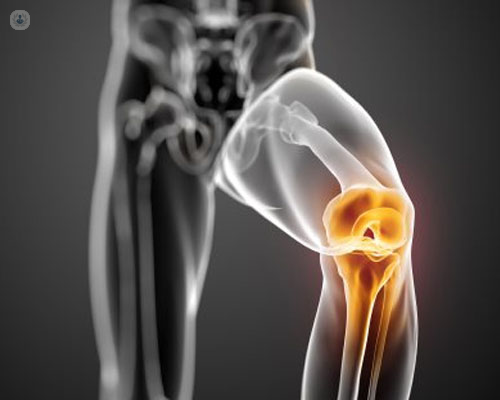
Anterior cruciate ligament (ACL) injuries are common in athletes following knee sprains. Prof. Simone Cerciello, expert in Orthopaedics and Traumatology in Rome, explains the details.
How do ACL injuries occur?
The ACL plays a crucial role in stabilising the knee during rotational movements and in controlling anterior tibial translation. Its rupture has heavy repercussions on knee function, making reconstruction advisable. However, the ACL works synergistically with other structures known as "peripheral": the meniscal roots and capsulo-meniscal junctions (ramps) and the antero-lateral ligament complex. These structures are involved in more than 20% of ACL rupture cases. Clinical examination and MRI imaging should confirm the presence of these peripheral lesions, which must then be confirmed and treated during surgery.
When is ACL reconstruction indicated?
ACL reconstruction is indicated in all subjects who wish to return to sports and who complain of instability and giving way. Age can influence this choice but not absolutely. Reconstruction techniques have reached a very high quality standard in terms of graft choice and fixation systems. However, re-ruptures remain a serious problem in young patients with high functional demands. Very often they occur because the associated "peripheral" injuries were not recognised and/or treated at the time of surgery. Failure to recognise these lesions and repair them increases the stress on the new cruciate ligament.
What are the surgical treatments for ACL reconstruction?
The reconstruction procedure is fairly standardised. The main risks are surgical site infections and re-ruptures. The latter may be linked to technical errors (for example poorly executed tibial and femoral tunnels) or to failure to recognise/treat lesions of the "peripheral" structures. It is clear that precise surgical technique and a deep knowledge of anatomical structures and their function are essential to reduce the incidence of these complications.
Post-surgical rehabilitation
Rehabilitation after surgery must take into account the patient's need for a rapid return to sport while respecting the "biological" healing times of the new ligament. Protocols vary according to the graft used. Any concomitant repair of the "peripheral" structures does not significantly influence these protocols. In general, the first phase must allow recovery from surgical trauma; the use of crutches and a rigid knee brace in extension is helpful. After the first 15 days crutches are abandoned and the brace unlocked to begin recovery of movement, which usually takes 15-20 days. In this phase the physiotherapist can help modulate the loads. Once joint motion is regained, muscle strengthening starts, initially through stationary bike and isometric exercises. Running without changes of direction is generally started at 3 months and the return to sport without restrictions at 5-6 months.